Barnet council garden waste rules for Golders Green gardeners NW11
If you garden in Golders Green, NW11, the rules around green waste can feel oddly specific at first. One week you are trimming a hedge, the next you are wondering whether those clippings can go in the council garden waste service, whether the bin lid has to close fully, or what happens after a big clearance job. Truth be told, that confusion is common. The good news is that once you understand the basics, managing garden waste becomes much easier, cleaner, and far less stressful.
This guide breaks down Barnet council garden waste rules for Golders Green gardeners NW11 in plain English. We will look at how the system usually works, what types of waste are typically acceptable, where people slip up, and how to stay on the right side of local expectations without making your garden routine harder than it needs to be. If you also want help keeping the garden tidy between collections, services like garden maintenance and garden clearance can make a real difference.
Table of Contents
- Why Barnet council garden waste rules for Golders Green gardeners NW11 matters
- How Barnet council garden waste rules for Golders Green gardeners NW11 works
- Key benefits and practical advantages
- Who this is for and when it makes sense
- Step-by-step guidance
- Expert tips for better results
- Common mistakes to avoid
- Tools, resources and recommendations
- Law, compliance, standards, and best practice
- Options, methods, or comparison table
- Case study or real-world example
- Practical checklist
- Conclusion
- Frequently asked questions
Why Barnet council garden waste rules for Golders Green gardeners NW11 Matters
Garden waste is one of those things that looks simple until it is not. A few grass cuttings? Easy. A heap of hedge trimmings after a tidy-up weekend? Slightly less easy. Add in wet weather, narrow side access, shared bins, or a small London garden with nowhere to store bags, and suddenly the whole job starts to matter more than you expected.
For Golders Green gardeners, following the correct garden waste route matters for a few reasons. First, it helps avoid missed collections, contamination problems, and unnecessary mess. Second, it keeps your outdoor space looking cared for rather than cluttered with tied sacks and overfilled containers. And third, it supports a more sensible approach to recycling and composting, which is increasingly part of how households and contractors are expected to handle organic waste.
There is also a practical local angle. In NW11, many gardens are compact, shared, or tucked behind terraced homes. That means a bit of planning goes a long way. If you are carrying out heavier seasonal work, such as hedge reshaping or a full border reset, using a service like hedge trimming can reduce the volume you need to deal with afterwards. Small detail, yes. But it saves time.
Expert summary: The smartest approach is to separate garden waste early, store it cleanly, and match the disposal method to the amount and type of material you have. That one habit prevents most problems before they start.
How Barnet council garden waste rules for Golders Green gardeners NW11 Works
While council arrangements can change, the basic idea is usually straightforward: garden waste should be presented in the format the council accepts, kept free from contamination, and put out only on the correct collection day or through the correct service. That means knowing the difference between green waste, general rubbish, and bulky material before you start filling sacks.
In practical terms, most garden waste systems focus on organic material such as grass cuttings, leaves, small twigs, hedge clippings, and similar soft green matter. The tricky part is that not everything from the garden counts as garden waste. Soil, rubble, plastic plant pots, treated timber, and mixed general rubbish are usually treated differently. Sounds obvious when written down. In real life, people still mix them by accident after a long afternoon of clearing beds.
For busy households in NW11, the best approach is to keep one container or pile for true green waste and another for everything else. If you are doing a larger seasonal tidy-up, it may be more efficient to combine routine maintenance with a planned clearance visit through garden clearance. That way, you are not trying to manage a mountain of clippings by hand on a Sunday evening.
Some councils also expect waste to be presented neatly and not left loose where it can blow around. In a windy patch of London, that matters more than people think. One gust and you are chasing leaves down the path. Not ideal.
Key Benefits and Practical Advantages
Following the local rules is not just about avoiding hassle. Done properly, it can actually improve how your garden feels and how efficiently you work in it.
- Cleaner outdoor spaces: Less waste left hanging around means a tidier, more usable garden.
- Fewer collection issues: If your waste is sorted correctly, it is less likely to be left behind.
- Better seasonal control: Spring and autumn jobs become manageable instead of overwhelming.
- Lower contamination risk: Keeping soil, plastic, and green waste separate protects the whole process.
- More efficient garden work: Once you know what goes where, maintenance becomes quicker and calmer.
There is also a planning benefit that people sometimes overlook. If you know roughly how much waste a job will create, you can organise the work more logically. For example, a heavy pruning session on Monday can be followed by lawn work later in the week, rather than trying to do everything at once. A service like lawn mowing is often easier to schedule around waste disposal than after the fact.
To be fair, there is a bit of peace of mind in it too. A tidy, compliant garden routine just feels less chaotic. And in a city garden, that counts for a lot.
Who This Is For and When It Makes Sense
This matters for more people than you might think. If you live in Golders Green and look after even a modest plot, you are likely dealing with some form of garden waste already.
It is especially relevant for:
- homeowners with front or back gardens
- landlords maintaining rental properties
- tenants responsible for outdoor spaces
- older residents who want a simple, predictable routine
- busy families who only get around to gardening at weekends
- people managing overgrown or neglected gardens
- anyone arranging a one-off clean-up after seasonal pruning
It also makes sense if you are planning bigger improvements. If you are changing planting schemes, reshaping borders, or pairing tidying with fresh landscaping, waste builds up quickly. In those cases, a project can move from routine maintenance to something more substantial, and it helps to think ahead. You might be better off combining disposal planning with a broader job like landscaping or landscape gardening.
Ask yourself a simple question: are you dealing with weekly upkeep or a one-off burst of garden work? That answer usually tells you which approach will be least stressful.
Step-by-Step Guidance
If you want to stay organised, follow a simple routine. Nothing fancy. Just a sensible, repeatable process.
- Sort the waste at source. Separate grass cuttings, leaves, hedge trimmings, branches, and non-organic items as you go.
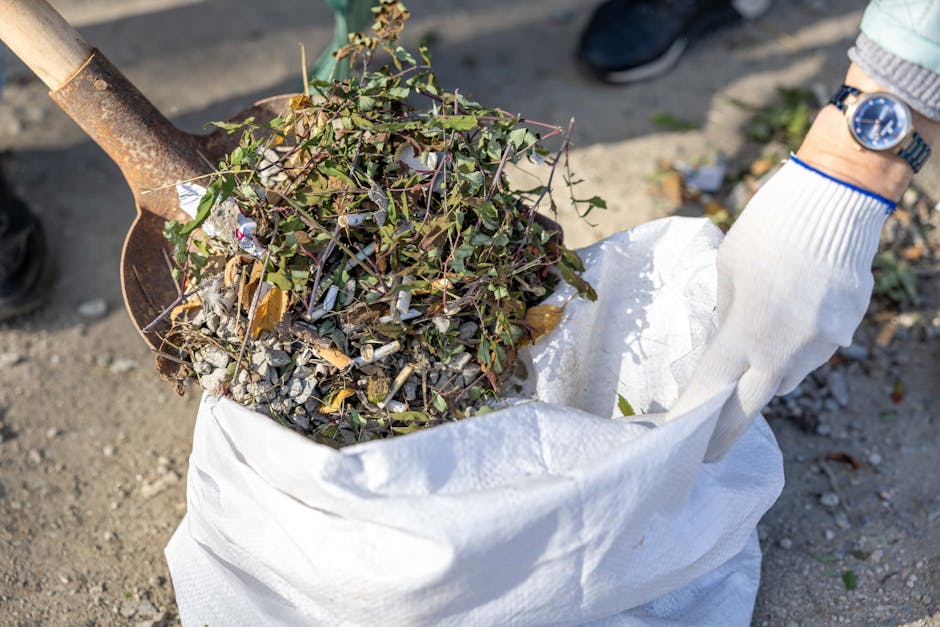
- Keep contamination out. Remove pots, ties, plant labels, plastic bags, and bits of broken garden equipment.
- Break down larger material. Cut bulky branches down to manageable sizes so they are easier to collect and store.
- Store waste neatly. Use the bins, sacks, or holding area that fits your setup best, and keep everything contained.
- Check your collection rhythm. If your green waste is building up faster than it is leaving, adjust the pace of work.
- Plan heavier jobs around disposal. Do the big trimming or clear-out just before a collection or arranged removal.
- Reset the garden after the work. Sweep paths, check corners, and make sure loose material has not blown back under shrubs.
If your garden regularly produces more material than a normal household setup can handle, it may be worth bringing in support from garden maintenance. That keeps the routine steady rather than lumpy and chaotic. Nobody wants a perfect lawn surrounded by three weeks of hedge clippings, right?
Expert Tips for Better Results
These are the little things that make life easier. Most are common sense once you hear them, but they are easy to miss when you are rushing.
Work in smaller loads
One large tidy-up can create more waste than you can comfortably manage. Breaking the work into smaller sessions usually keeps the garden safer and easier to finish properly.
Keep wet waste under control
Wet grass and soggy leaves are heavier, smellier, and more awkward to move. If you can leave the mower box or cuttings to drain briefly before bagging, life gets better quickly.
Think about access
Some NW11 gardens have narrow side returns or awkward rear access. If that sounds familiar, stage the bags close to the exit route before collection day. It saves a ridiculous amount of back-and-forth.
Do not mix in general rubbish
This is one of the easiest ways to create a problem. Even a small amount of non-garden material can make a load unsuitable.
Use the work itself to reduce waste
If you trim hedges regularly and lightly, you produce less waste than if you leave them until they are wild. Same with lawns. Consistent lawn mowing reduces the shock of one huge cut after a month of rain and neglect.
Also, do not underestimate timing. Early morning in summer, with the birds going and the air still cool, is often the best moment to get the awkward work done. It sounds small, but it helps.
Common Mistakes to Avoid
Most garden waste problems come from a short list of avoidable habits. The frustrating bit? People usually spot them only after something has gone wrong.
- Overfilling containers: If the lid will not close properly, that is usually a sign to stop.
- Mixing soil with green waste: Soil is heavy and often handled differently. Keep it separate unless you know it is accepted.
- Including plastic or general rubbish: Plant trays, garden wire, food packaging, and household rubbish do not belong in green waste.
- Leaving waste loose on the pavement: Even if you are waiting for collection, loose material can create mess and complaints.
- Ignoring access issues: Big jobs need a plan, especially where wheelie bins or sacks have to be moved through tight spaces.
- Assuming all garden items are accepted: Treated wood, compost bags, and renovation debris often need a different route.
One especially common mistake is treating a garden clearance like a normal tidy-up. It is not. If the job includes piles of cut material, old pots, broken sleepers, or debris from a redesign, you are in broader clearance territory. That is the point where a dedicated service makes more sense than trying to wrestle it all into the weekly routine.
Tools, Resources and Recommendations
You do not need a huge amount of kit, but the right basics make a noticeable difference. A few decent tools and a tidy system can save you hours over the course of a season.
- Strong garden sacks or bins: Useful for separating green waste cleanly.
- Bypass secateurs and loppers: Better for controlled pruning than hacking at branches with blunt tools.
- Rake and handheld broom: Good for collecting leaves, grass, and small debris from paths and beds.
- Wheelbarrow or tub: Helps move waste without dragging it through the garden repeatedly.
- Gloves and sturdy shoes: Basic, but worth it. Thorny roses and slippery paving do not care how experienced you are.
- Simple sorting area: A spot where you can separate green waste from other material before disposal.
For homeowners who want a more hands-off approach, it can also help to compare how different services fit together. For example, if your garden needs regular attention, services overview can help you think about which tasks belong together, while pricing and quotes is useful when you want clarity before starting a bigger job. If you care about the environmental side as well, recycling and sustainability is a sensible page to check.
And if you want to know a garden business is properly set up before you book, it is fair to look at trust pages too. That includes about us, health and safety policy, and insurance and safety. Boring to some people, maybe. Useful to anybody paying for work on their property.
Law, Compliance, Standards, and Best Practice
On the compliance side, the safest approach is to treat council garden waste rules as a local handling and presentation requirement, not just a tidiness issue. The exact collection arrangements can change, so it is always wise to confirm the current Barnet guidance before putting out a load. That way, you are working from the right expectations rather than relying on old habits.
From a general UK best-practice point of view, garden waste should be:
- kept free from household rubbish and contamination
- stored safely so it does not obstruct paths, neighbours, or public areas
- moved in a way that does not create nuisance or spill debris
- handled with care if it includes thorny, heavy, or awkward material
For professional work, proper risk awareness matters as well. Cutting tools, lifting heavy sacks, and moving branches through confined access points all carry small but real risks. That is why reputable local firms publish clear policies such as health and safety policy and insurance and safety. It is not just paperwork. It protects you, your property, and the people doing the work.
If you are arranging services for a rented property or a shared garden, it is also worth knowing the terms of engagement before work begins. The pages for terms and conditions and payment and security can help set expectations in advance, which avoids awkwardness later. Nobody enjoys that post-job phone call where everyone suddenly remembers a different version of events.
Options, Methods, or Comparison Table
There is more than one way to handle garden waste in Golders Green. The best option depends on volume, frequency, and how much time you want to spend hauling bags around.
| Method | Best for | Pros | Watch-outs |
|---|---|---|---|
| Council collection route | Regular, manageable green waste | Simple, familiar, works well for routine upkeep | Needs correct sorting and presentation |
| Private garden clearance | Large clear-outs, overgrowth, mixed debris | Fast, flexible, handles bigger jobs | Usually more expensive than routine collection |
| DIY composting | Leaves, soft cuttings, and ongoing small volumes | Low waste, good for steady gardeners | Needs space and patience; not ideal for all material |
| Hybrid approach | Most NW11 households with mixed needs | Flexible, cost-aware, practical across seasons | Requires a bit of planning |
For many Golders Green gardens, the hybrid route is the sweet spot. Routine clippings go one way, and larger seasonal tasks are handled separately. That avoids waste pile-ups without overcomplicating the month-to-month rhythm.
Case Study or Real-World Example
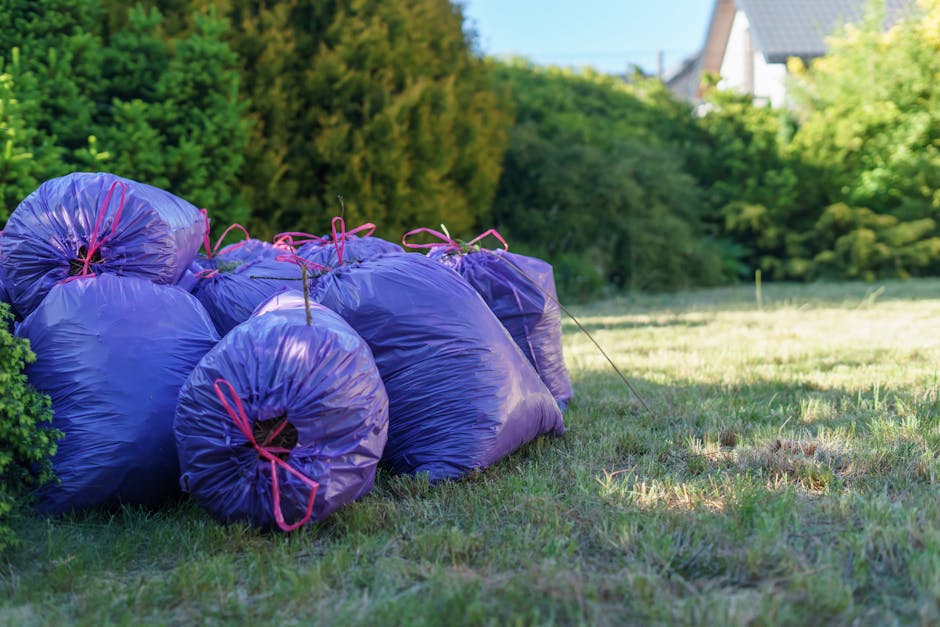
A typical NW11 scenario goes something like this. A homeowner spends a damp April weekend cutting back a hedge, raking out winter leaves, and mowing a lawn that has suddenly decided to grow like it has something to prove. By Sunday evening, the patio is covered in green bags, and the side return is full. The garden looks much better, but the waste is now the problem.
Instead of trying to force everything into one last-minute solution, the smarter move is to sort the material right away: hedge trimmings in one pile, lawn clippings in another, and non-organic bits removed immediately. If the job is heavier than expected, a broader clearance step can be added rather than hoping a normal collection will somehow absorb the overflow.
That same homeowner might then schedule lighter upkeep every couple of weeks, so the next tidy-up is manageable instead of dramatic. Less mess, fewer bags, calmer Saturday mornings. It really does snowball in a good way when the system is simple.
If the garden needs more than just waste removal, combining the clear-out with regular care through garden maintenance helps prevent the same build-up from happening again. Small, steady jobs are usually kinder to both the garden and your back.
Practical Checklist
Use this quick checklist before you put anything out or book any work.
- Have I separated green waste from general rubbish?
- Are there any pots, plastic ties, labels, or packaging mixed in?
- Does the waste need cutting down into smaller pieces?
- Is the load too heavy or too large for a routine collection?
- Will the bags or bins stay contained and not blow around?
- Do I need a clearance service for the bigger material?
- Have I checked any current council-specific instructions before collection day?
- Is there a safe path for moving the waste without damaging paving or fences?
- Would regular maintenance reduce the amount I have to deal with next time?
Quick reality check: if you are hesitating over whether something counts as garden waste, it is usually a sign to separate it and confirm before you mix it in. That tiny pause can save a lot of trouble.
Get a free quote today and see how much you can save.
Conclusion
Understanding Barnet council garden waste rules for Golders Green gardeners NW11 is less about memorising every detail and more about building a simple, reliable habit. Separate waste early. Keep non-organic material out. Match the scale of the job to the right disposal method. And when the work gets larger than normal, treat it as a clearance task rather than forcing it into a routine bin day solution.
That approach keeps your garden tidier, reduces stress, and makes the whole process feel much more manageable. Which, let's be honest, is what most people actually want. Not perfection. Just a garden that feels under control.
And if you are standing in the garden with a rake in one hand and a pile of cuttings in the other, wondering where to start, start small. It nearly always works.
Frequently Asked Questions
What counts as garden waste for Barnet council-style collection rules?
Garden waste usually means organic material from the garden, such as grass cuttings, leaves, small twigs, hedge trimmings, and similar green material. Soil, rubble, plastics, and general rubbish are typically not included.
Can I put soil in my garden waste bin or sack?
Usually, soil is treated differently from green waste. It is heavier, can cause collection issues, and is often not accepted in the same way. Keep it separate unless you have checked the current local instructions.
What should I do after a big hedge cut in Golders Green NW11?
Break the waste down into manageable pieces, remove non-organic items, and decide whether the volume is still suitable for routine collection. If it is too much, a larger garden clearance is often the cleaner solution.
Do I need to sort leaves and grass clippings separately?
Not always, but it can help to keep them organised, especially if the volume is high. Wet grass and dry leaves behave differently, so separating them can make storage and collection easier.
What happens if I mix plastic or rubbish into garden waste?
Contamination can lead to the load being rejected or handled differently. It also slows everything down. A quick check before bagging usually avoids the issue.
Is composting a good option for Golders Green gardeners?
Yes, if you have the space and patience. Composting works well for many soft garden materials, but it is not suitable for everything. Large branches, treated wood, and contaminated waste need other solutions.
How often should I clear garden waste in a small London garden?
That depends on how fast your garden grows, but regular small clear-ups are usually better than one huge seasonal job. In practice, a light routine often keeps things much easier to manage.
Can garden maintenance reduce how much waste I produce?
Absolutely. Frequent pruning, mowing, and tidying create smaller amounts of waste each time. It also prevents the garden from becoming overgrown, which is where the big piles start.
When should I book a clearance instead of handling it myself?
If the waste is bulky, mixed, or awkward to move, booking a clearance makes more sense. It is especially useful after an overgrown garden reset or before a landscaping project.
Why does council garden waste guidance matter for private gardeners?
Because even if you are not a professional, you still need a sensible, safe way to store and dispose of material. Following the local rules helps avoid mess, contamination, and repeated handling.
What is the easiest way to stay on top of waste in NW11?
Keep a simple routine: sort as you go, store waste neatly, and plan bigger jobs around a disposal plan. That one habit is often the difference between a tidy garden and a weekend headache.
Where can I get help with larger garden waste jobs?
If the job is beyond a normal tidy-up, services such as garden clearance, garden maintenance, and services overview can help you choose the right next step for your garden.