Best gardeners for steep garden access Golders Green Road
Steep garden access can turn simple garden work into a bit of a balancing act. One minute it's pruning or clearing leaves, the next it's careful footing, awkward tool handling, and wondering how anyone is meant to get a wheelbarrow up there without making a mess of the lawn. If you are looking for the Best gardeners for steep garden access Golders Green Road, you are probably after more than a tidy border. You want people who can work safely, move materials efficiently, and leave the space better than they found it.
This guide walks through what steep-access gardening really involves, why it matters, how the work is typically approached, and what to look for when choosing a team. It also covers practical risks, compliance considerations, and a few honest mistakes people make when they try to handle sloped gardens as if they were flat. To be fair, that is where the trouble usually starts.
Why Best gardeners for steep garden access Golders Green Road Matters
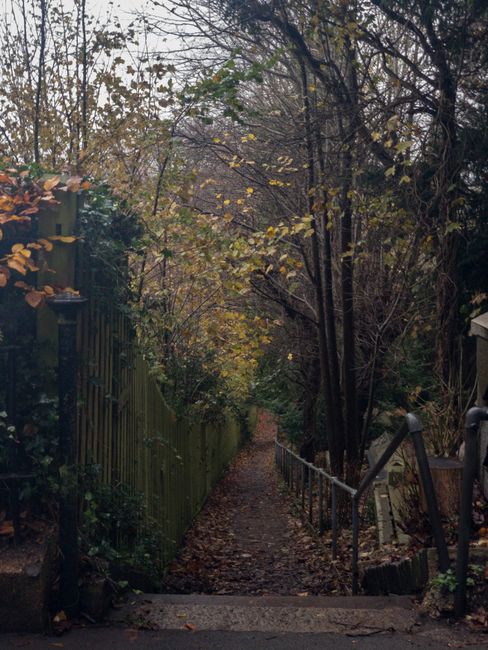
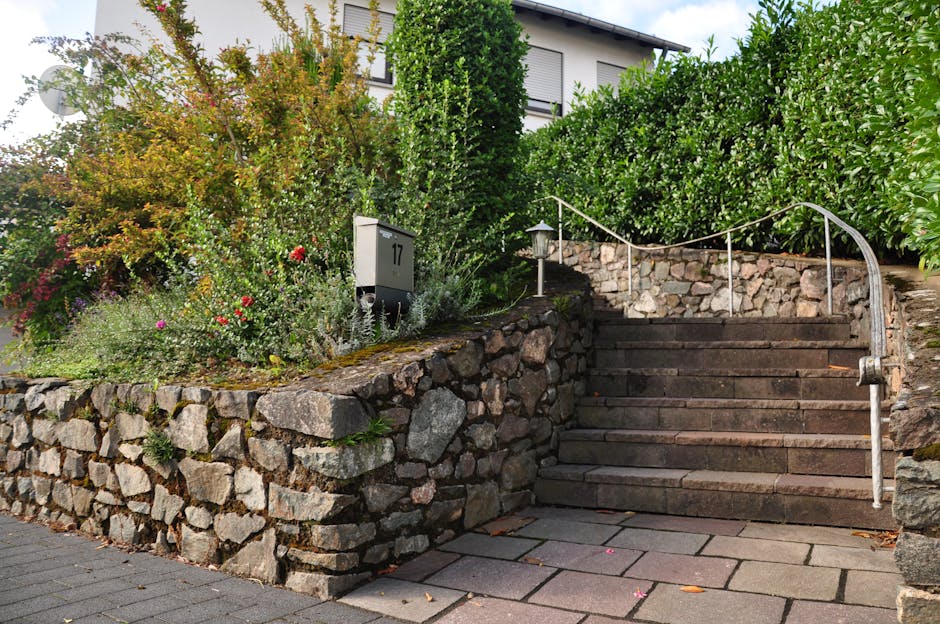
A steep garden is not just a garden on an incline. It changes how every task is done. Mowing becomes harder to control. Waste removal takes longer. Hedge work, pruning, planting, and clearance all need a little more planning. In some gardens, the access route is the real issue rather than the garden itself: narrow side paths, uneven steps, slippery slabs after rain, or a rear entrance that is fine for one person but awkward for equipment.
That is why choosing the right gardener matters. The best team is not just the one with the widest range of services. It is the one that understands slope, footing, load movement, and how to avoid turning a routine visit into a stressful one. On Golders Green Road, where homes can vary a lot in layout and access, that experience is worth its weight in saved time and reduced hassle.
There is also the comfort factor. When a gardener knows what they are doing on steep ground, the work feels calm. Tools are carried properly, cuttings are managed sensibly, and the end result looks neat rather than rushed. You notice that difference straight away, even if you cannot quite put your finger on it.
How Best gardeners for steep garden access Golders Green Road Works
Steep-access gardening usually starts with an assessment of the site. A good gardener looks at the gradient, surface conditions, access points, soil stability, drainage, and where waste will need to go. That first look shapes the whole job. If the route is tight, they may bring lighter tools, smaller bags, or plan more frequent trips rather than overloading anything.
In practice, the work often breaks down into a few stages:
- Access check: identifying steps, slopes, gates, slippery areas, and pinch points.
- Work planning: deciding which tools, team size, and order of tasks makes sense.
- Safe movement: moving debris, compost, soil, or clippings without overloading access routes.
- Task execution: mowing, pruning, trimming, clearing, or landscaping as required.
- Final tidy: removing waste, checking for stray debris, and making sure access is left clear.
For more involved work, the right mix of services can help. A sloped plot with overgrown edges may benefit from regular garden maintenance, while a neglected incline may need garden clearance before anything else can be done properly. If the access issue is tied to structure or layout, some homeowners also look at landscaping or even landscape gardening to make the space more usable long term.
The key point is this: steep-access work should be planned, not improvised. A few extra minutes of thought at the start can save a lot of wobbling around later. And nobody wants a barrow tipping halfway down the path. Nobody.
Key Benefits and Practical Advantages
Hiring gardeners with experience of steep access is about more than convenience. It affects safety, efficiency, and the final quality of the garden. Here are the main advantages.
- Safer handling of tools and waste: experienced gardeners know how to move equipment and cuttings without creating avoidable risks.
- Better finish: work on slopes needs a steadier hand, especially with mowing, edging, and trimming.
- Less disruption: the right team works methodically, which means less damage to paths, beds, and planting.
- More realistic planning: difficult access is factored into the job rather than discovered halfway through.
- Reduced stress for the homeowner: you are not left wondering whether the team can actually get in, do the work, and get out cleanly.
There is also an aesthetic benefit that people often miss. Steep gardens can look a little wild very quickly, especially after wet weather. Once overgrowth starts leaning over steps or blocking views, the whole place feels heavier. A capable team restores that sense of order. You walk out and think, yes, that feels usable again.
If your slope includes awkward edging or boundary planting, hedge trimming can make a dramatic difference. Likewise, if grass is the main challenge, lawn mowing services become much more effective when the gardener understands how to work safely on an incline.
Who This Is For and When It Makes Sense
This kind of gardening service makes sense for a fairly wide range of homeowners and landlords. The common thread is not the size of the garden. It is the awkwardness of the access.
You may need it if:
- your rear garden sits below or above street level;
- the main route is steep, narrow, or partially stepped;
- you have frequent overgrowth that is difficult to reach safely;
- you need periodic clearance after storms, leaf fall, or hedge growth;
- you are planning a redesign and want the site made workable first;
- you have tried DIY before and found it more exhausting than expected.
It also suits older properties and homes with layered gardens, terraced plots, or split-level layouts. Truth be told, these spaces often look charming until someone has to carry bags of cuttings uphill in the drizzle. Then the romance fades quickly.
For some properties, the best next step is not a cosmetic tidy but a structural rethink. That is where a conversation about services overview and possible improvements can help you decide whether the goal is simple upkeep or a more lasting change. If you are working through a larger refresh, decking services may also be relevant where a level, safe outdoor platform would make the garden easier to enjoy.
Step-by-Step Guidance
If you are comparing providers or planning the work yourself, a simple process helps. Steep access rewards clarity. It really does.
- Inspect the access route. Look at gates, steps, handholds, surface grip, drainage, lighting, and turning space. Wet moss or loose gravel can change everything.
- Define the job properly. Is it mowing, pruning, hedge work, a full tidy, or a more substantial clearance? The answer determines the right equipment and time.
- Ask how waste will be removed. Bags of clippings, branches, and soil can be heavier and harder to move on slopes. Good planning matters here.
- Check the team's approach to safety. This includes footwear, lifting methods, edge awareness, and whether they use suitable tools for confined or uneven spaces.
- Agree the sequence. In many cases it is better to start with clearance, then tackle cutting and finishing, rather than trying to trim around clutter.
- Review the result while access is still fresh. Walk the route with the gardener if possible. If there are slick steps or hidden snags, you will spot them faster on the day.
One practical tip: ask what happens if weather changes. A slope that feels manageable in dry daylight can become much trickier after a shower. A sensible gardener will have a plan, not a shrug. That little bit of forethought is often what separates an okay experience from a really good one.
Expert Tips for Better Results
Here is the stuff that tends to make the biggest difference in real gardens, especially on awkward ground.
- Keep access routes as clear as possible before the visit. Even moving a few plant pots can make a steep path much safer.
- Prioritise the heaviest jobs first. If there is dense waste or tangled growth, tackle that before smaller detail work.
- Choose lighter, more manoeuvrable tools where appropriate. Smaller gear can be more effective than oversized kit on confined slopes.
- Watch for drainage issues. Water runoff can make steps slippery and can also affect planting beds.
- Think in layers. On sloped sites, one tidy-up often reveals the next problem. That is normal.
Another useful point: don't judge the best gardener by how fast they race through the gate. Sometimes the most skilled person is the one who pauses to look at the slope properly, adjusts the route, and only then starts. Slightly less dramatic, sure. Much better outcome, though.
If your garden includes mature shrubs or boundary growth, combining maintenance with hedge trimming can improve light and access at the same time. For bigger clear-outs, a gardener who also offers tree lopping and removal may be able to handle overhead obstruction that makes the slope feel even tighter.
Common Mistakes to Avoid
Most problems on steep-access jobs come from underestimating the site. It sounds obvious, but people do it all the time.
- Assuming all gardeners are set up for slopes. Some are brilliant on flat plots but far less comfortable on difficult terrain.
- Ignoring waste movement. The job is not just cutting and trimming; it is also the physical removal of what has been cut.
- Forgetting about weather. Damp steps, muddy banks, and slick paving can turn routine work into a riskier task.
- Choosing the cheapest quote without asking how the access challenge is handled. A low price can vanish quickly once the real effort begins.
- Trying to do a full steep-slope tidy in one go. Sometimes a phased approach is safer and simply more realistic.
A smaller mistake, but still common: asking for "just a quick tidy" when the garden clearly needs more. The problem with quick tidies on steep ground is that half-finished work can actually make the site harder to manage. A few cut branches left on a slope can create clutter, trip hazards, and that annoying feeling that the job is not quite done.
Tools, Resources and Recommendations
The right tools depend on the job, but steep access usually calls for practicality over bravado. Heavy kit is not always better. Often, it is just heavier.
| Task | Useful approach | Why it helps on steep access |
|---|---|---|
| Grass cutting | Light, controlled mowing with safe footing | Improves manoeuvrability and reduces strain |
| Boundary growth | Careful hedge trimming and sectioned work | Prevents overreaching and keeps the shape neat |
| Overgrown plots | Phased clearance before finishing work | Makes access safer and exposes hidden hazards |
| Heavy seasonal waste | Frequent bagging and staged removal | Reduces load on paths and steps |
| Long-term improvement | Planning through landscaping | Can improve flow, usability, and access over time |
From a homeowner's point of view, the most useful "resource" is often a clear brief. Share photos, describe the access route, mention slippery areas, and explain what bothers you most. That information helps a gardener prepare properly. It saves time on both sides, which is always welcome.
If you need a broader view of available support, the site's services overview is a sensible place to compare which type of work fits the garden best. And if you are weighing budgets, the pricing and quotes page can help you understand how estimates are usually approached before any work begins.
Law, Compliance, Standards, or Best Practice
For steep garden access, the main compliance concern is safety. In the UK, gardeners and land-based contractors generally work to sensible health and safety practice: using suitable footwear, avoiding unsafe manual handling, keeping access routes clear, and assessing obvious hazards before work begins. You do not need to become an expert in regulations to ask the right questions, thankfully.
Good practice typically includes:
- risk-aware planning before lifting or carrying heavy items;
- care when using cutting tools on uneven ground;
- attention to public-facing paths, gates, and boundary edges;
- appropriate insurance and clear procedures for service delivery;
- respect for neighbours, shared access points, and site cleanliness.
It is sensible to look for a provider that is transparent about safety and insurance, especially where access is awkward. You can also review the company's insurance and safety information and its health and safety policy if you want extra reassurance before booking. Those pages do not replace a proper conversation, but they do tell you a lot about how seriously the business takes risk.
Accessibility matters too, particularly where steps, gradients, or narrow routes affect how work is delivered. It is often a good sign when a company explains its approach clearly in its accessibility statement. That usually reflects a more thoughtful way of working across the board.
Options, Methods, and Comparison Table
Not every steep garden needs the same solution. Sometimes you need a one-off tidy. Sometimes the slope needs a more considered plan. Here is a simple comparison to help frame the choice.
| Approach | Best for | Pros | Limitations |
|---|---|---|---|
| One-off maintenance visit | Light overgrowth, routine upkeep | Quick, straightforward, cost-conscious | May not solve structural access problems |
| Clearance first, maintenance later | Neglected slopes, dense growth | Safer, more manageable, better for long-term upkeep | Takes more time initially |
| Landscape-led improvement | Permanently awkward access or layout | Can improve usability and reduce ongoing difficulty | Usually needs more planning and investment |
| Targeted hedge/tree work | Overhead obstruction or edge crowding | Improves light, access, and visibility | May need specialist handling depending on size |
In real life, the best answer is often a mix. A slope might need clearance this month, hedge trimming next month, and some long-term landscaping thinking later on. There is nothing wrong with that. Gardens rarely solve themselves in one tidy burst, despite our best hopes.
Case Study or Real-World Example
Picture a back garden reached by a narrow side passage and a set of steep steps. The grass has grown patchy, the hedge is leaning into the path, and fallen cuttings from previous DIY attempts are still tucked in the corner. Nothing dramatic, but enough to make every job feel awkward.
In a case like that, a good gardener would usually start by clearing the access route itself. The hedge would be cut back in sensible sections, waste would be bagged rather than piled up, and the grass would be tackled only once the route was safe enough to move around properly. If there were branchy clumps or old debris, a bit of garden clearance would come before the finishing work.
What changed at the end? Not just appearance. The space became easier to walk through, easier to maintain, and less intimidating the next time someone wanted to do a small job. That's the quiet win with steep gardens. You are not only improving how they look. You are making them more liveable, which matters just as much.
Practical Checklist
Use this before you book or brief a gardener for a steep-access job.
- Describe the slope and access route clearly.
- Share photos of steps, gates, and narrow passages.
- List the main tasks you want completed.
- Point out slippery areas, loose paving, or drainage issues.
- Ask how waste will be moved and removed.
- Confirm whether the team is comfortable working on steep ground.
- Check whether the work needs clearance before maintenance.
- Ask about insurance and safety practices.
- Be clear about timing, especially if weather might affect access.
- Decide whether you want a one-off visit or a longer-term plan.
Expert summary: the best steep-access gardeners combine safety awareness, sensible planning, and a calm working method. If they understand the slope before they arrive, they are already halfway to a better result.
Conclusion
Finding the Best gardeners for steep garden access Golders Green Road is really about finding people who can see the whole picture: the slope, the access, the waste, the finish, and the long-term usability of the garden. A steep site needs more than enthusiasm. It needs judgement, patience, and a practical approach that suits the shape of the space.
When you choose well, the difference is obvious. The work feels safer, the garden looks calmer, and the access stops being a daily frustration. That is a good outcome in any postcode, but especially in a home where the layout has always made simple jobs feel complicated. A bit of care goes a long way.
If you are ready to move forward, take a moment to review the available about us information and then explore the best service fit for your garden. If you want to understand the process before committing, the contact us page is there for the next step.
Get a free quote today and see how much you can save.
Sometimes the best garden work is the kind that quietly makes life easier every time you step outside. That's worth doing properly.
Frequently Asked Questions
What makes a gardener suitable for steep access?
A suitable gardener knows how to assess the slope, choose practical tools, move waste safely, and work without damaging paths or planting. Experience on uneven ground matters more than a glossy pitch.
Do steep gardens usually cost more to maintain?
They often can, because access takes more time and care. That does not always mean a huge difference, but awkward steps, narrow passages, or heavy waste movement can affect the quote.
Can steep garden access be improved permanently?
Sometimes, yes. Depending on the layout, landscaping changes, better steps, retaining features, or a redesigned route can make the garden much easier to use and maintain.
Is hedge trimming harder on a slope?
Often it is. Slopes reduce stability and can make reaching the top or sides more awkward. A gardener with the right approach will trim in sections and avoid overreaching.
What should I tell the gardener before the visit?
Explain the access route, the slope, the main tasks, any slippery areas, and whether there is a side passage, steps, or gate restriction. Photos help a lot, honestly.
Can lawn mowing be done safely on steep ground?
Yes, but it needs care. Not every lawn is suitable for every mower, and the gardener should judge whether the surface is safe, stable, and manageable before starting.
Do I need clearance before maintenance on an overgrown slope?
In many cases, yes. If the space is heavily overgrown, a clearance-first approach is usually safer and makes later maintenance much easier.
What if the access is too narrow for big equipment?
That is common. Good gardeners adapt by using lighter, smaller, or more manual methods rather than forcing unsuitable equipment into the space.
Should I ask about insurance and safety?
Absolutely. It is sensible on any job, but especially on steep or awkward access where the risk of slips, trips, or handling issues is higher.
How do I know whether I need landscaping rather than simple maintenance?
If the garden keeps becoming difficult to access or maintain, even after regular care, a landscaping review may be the better option. That usually means the layout itself needs improving, not just the plants.
What is the best first step if I am not sure what the garden needs?
Start with a clear assessment of the access and the visible problem areas. From there, a gardener can tell you whether you need routine maintenance, clearance, hedge work, or a larger redesign.
How often should a steep garden be maintained?
That depends on the planting, the rate of growth, and how exposed the site is. Some steep gardens need frequent light visits; others are fine with less regular but more thorough care.